Trigger 3: Visual Brand Identity
To start this subject I think it would be good to define what is corporate identity. The definition by Wikipedia states that a corporate identity is the overall image of a corporation, in the minds of public. Maintaining the corporate identity is the main task of corporate communication department. It usually shows through branding and the use of trademarks. (1)
Then off to visual identity. Again according to Wikipedia, corporate visual identity expresses the values and ambitions of an organization, its businesses, and its characteristics. It provides the company:
(1) visibility and recognizability,
(2) symbolizes the organization for external stakeholders,
(3) it expresses the structure of an organization to its external stakeholders ( monolithic brands for companies with single brand, different brands for an organization, and endorsed identity with different brands which are connected.)
(4) It relates to employees' identification with the organization as a whole. (1)
Elements that create visual brand identity
Using specific colors are one of the most recognizable elements of a visual identity. A good example of using corporate color is Coca-Cola.

Even though we do not understand all of these languages, most of us would probably think of Coca-Cola when seeing these somewhere.
Other elements of visual brand identity can be for example sound (Battery energy drink), shape (Apple products), typography, materials. These elements communicate company values and personality to stakeholders either directly or subliminally.
Creating a visual brand identity
Designing a Brand Identity by creativemarket.com
Phase 1: Research, Vision & Design Brief
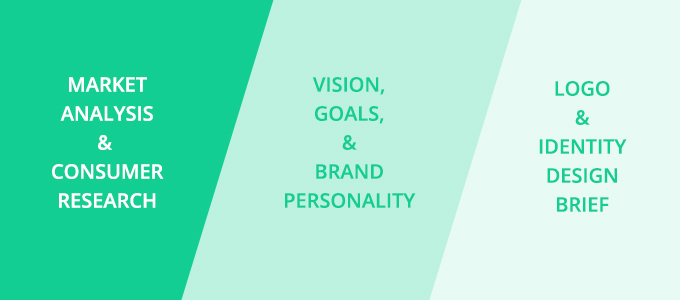
Research questions:
- How is the brand perceived against competitors?
- What is the brands positioning statement? (answer what, how, to whom, where and why)
- What is the heritage of the product type and the origin of it's ingredients and fabrication process?
- Who is the audience?
- What are the values and beliefs of the brand about business and its mission in the world? (how would it look, act and talk if it was a person?)
- What benefits do customers associate with the brand?
A design brief should contain the research results in brief, including target audience, messaging objectives, values and mission of the brand, and the brand's products/services offering.
Phase 2: Logo, Identity, & Guidelines
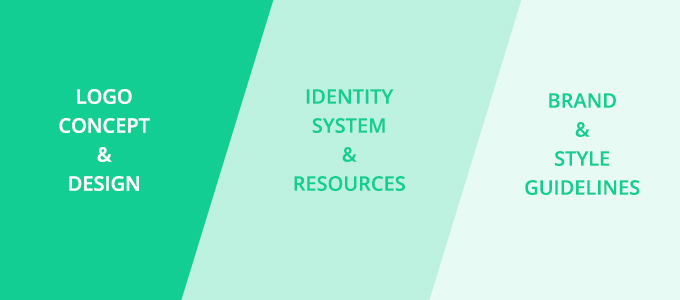
The designing of a logo starts here. First a lot of sketches are drawn and the best ones are chosen and they are redone digitally.
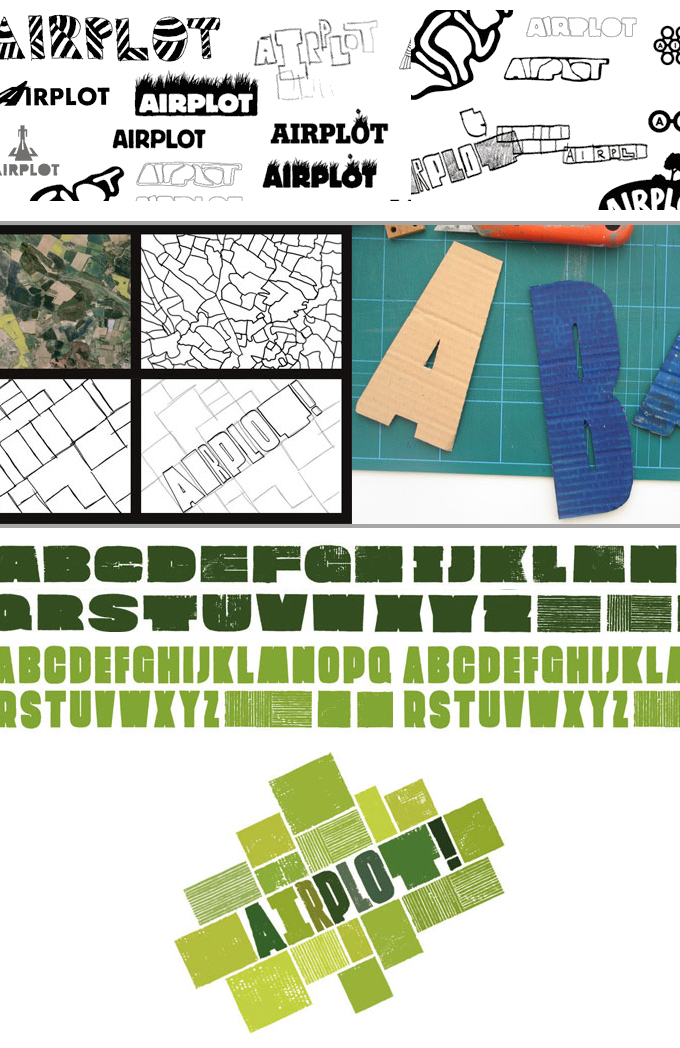
After the new logo is chosen, the identity system starts. Its purpose is to create a visual language around the logo, that can be used in marketing
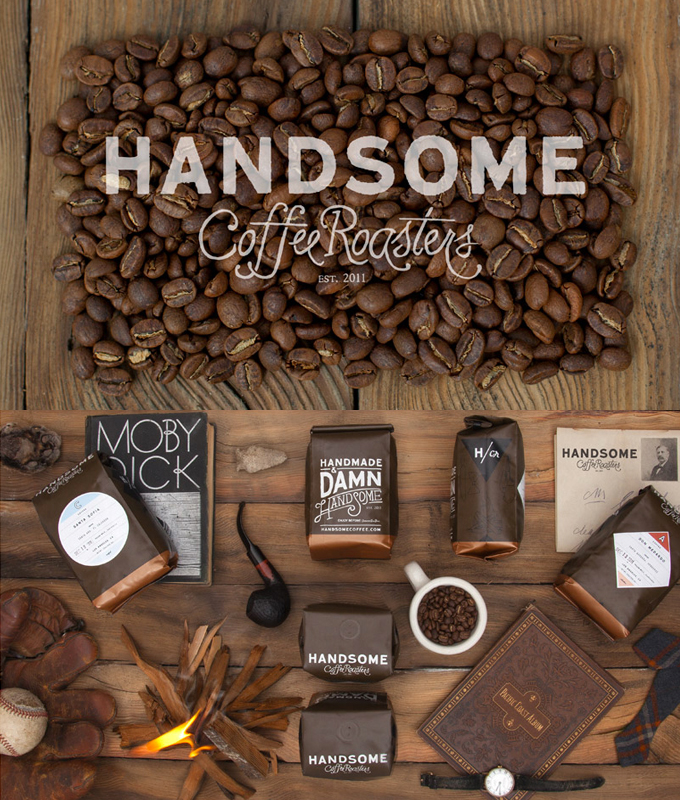
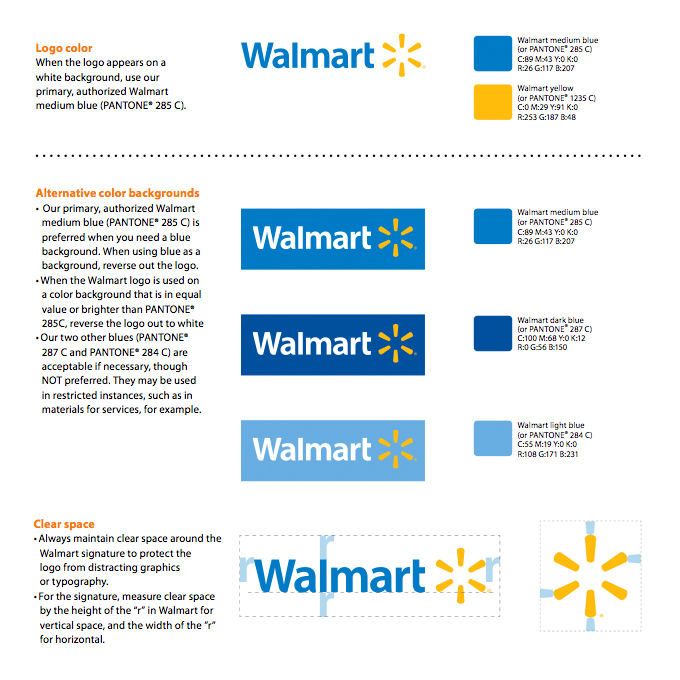
Then the style guidelines are created, they contain the rules of using the logo and the visual language around it, so that they will send a coherent message and that the marketing and other media visibility will always look the same.
Phase 3: Monitoring & Rebranding
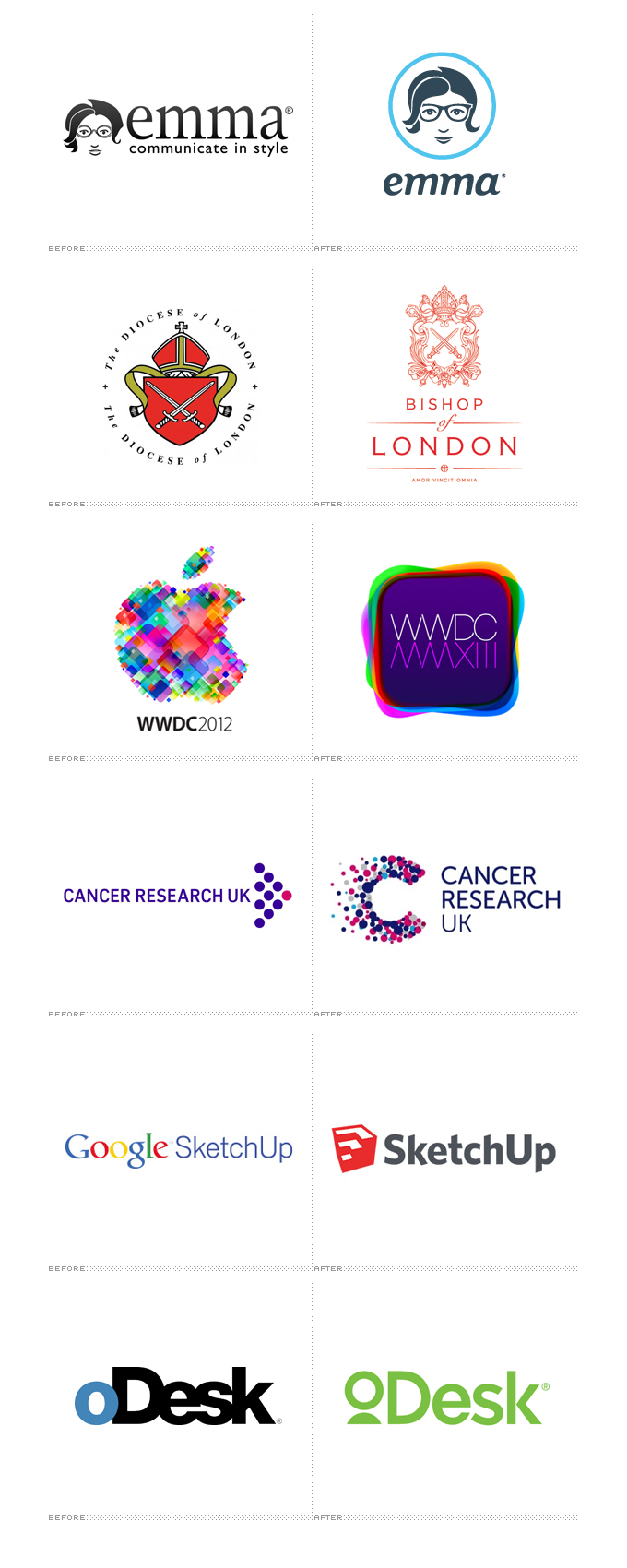
After the brand is created and the logo is set, it is time to monitor the markets and changes in it. By time the target audience will change and the brand has to change with them. The changes should be noticeable but the familiarity and consistency of the brand should be maintained.
10 tips for creating winning visual brand identities by justcreative.com


Challenges in creating visual brand identity
Good examples:
25 Outstanding Examples Of Branding, Visual Identity and Logo Designs:
bad examples:
Coke Color Change

Sources:

Ei kommentteja:
Lähetä kommentti