tiistai 24. helmikuuta 2015

How to manage brand identity

Brand Identity

Brand identity is how a business wants its logo, communication style and visual elements to be seen by consumers. Brand identity shouldn't be confused with brand image, which is what consumers actually think. (1)

What is the interrelation between brand identity and brand image? 


Brand identity is placed on the company's side and includes everything that makes a brand meaningful and unique. These things influence the customers brand image. For the consumer to fully understand the meaning of the company's marketing communication, it is important that the brand identity and the brand image match each other. (2)


When and how to rebrand? ­ 

There are a lot of different situations when a company has to start thinking rebranding.

When a company starts to grow and becomes a mid-sized or a large company and wants to be taken seriously, it should try to make its brand more professional, as it expands in to more aggressive markets.

If there is a change in the product or service, for example switching in to a more greener solution, it should show also in the company's brand.

When a company wants to differentiate itself from competitors, rebranding can help significantly.

When the markets change and the company wants to stay relevant.

When a company wants to introduce a new competing product to a different market while retaining the original product brand, they might consider rebranding.

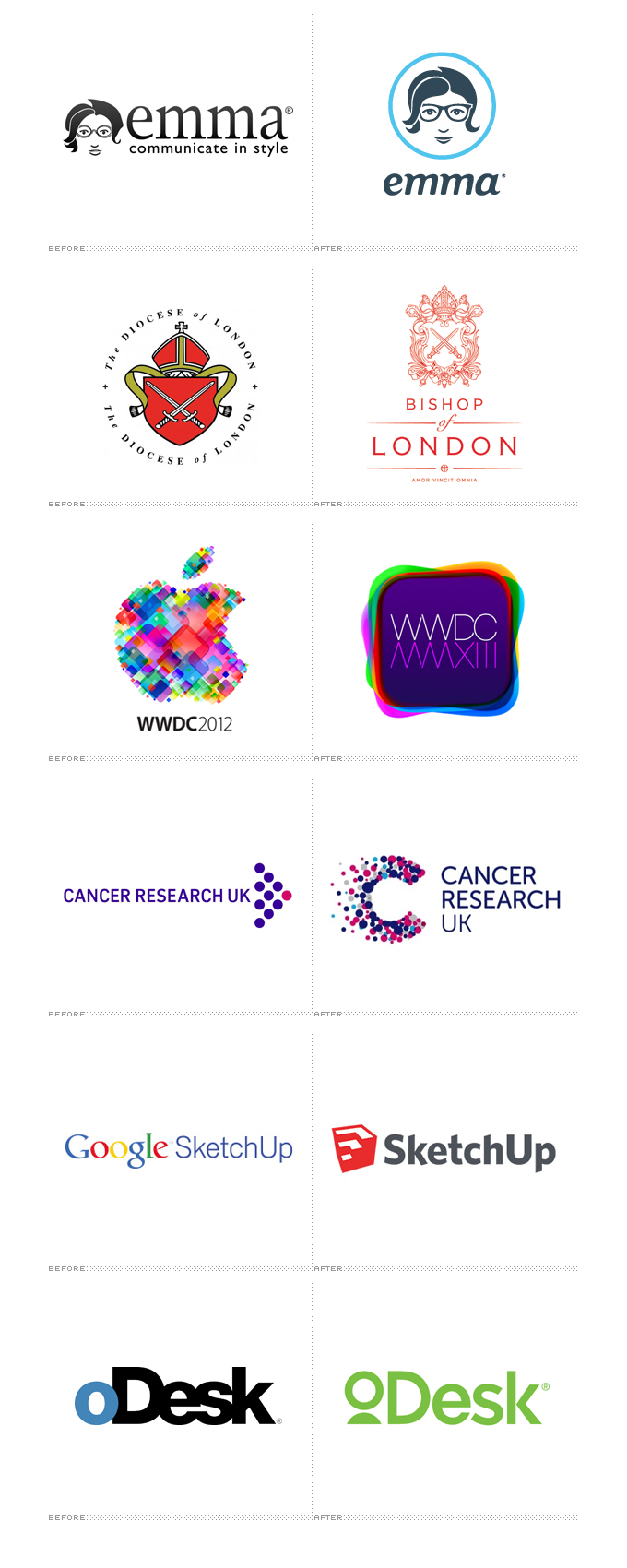
If a large company develops or acquires various products and services, it might become a confusing clutter of multiple different brands. In this situation it is beneficial to create a new brand which has all these smaller ones under it or included in it. (3)


risks and challenges? ­ 

When rebranding there is a risk that a company creates a hope of change when in reality there are no concrete changes. (4)

Another big challenge in rebranding is how the consumers perceive your new brand. There are multiple good examples of companies getting laughed at and criticized because for example their new logo. The latest that comes in mind is Airbnb, which changed its logo and it was mocked in Twitter with people saying that the new logo looks like a sexual organ. (5)

Another big risk is that when rebranding goes too far, and consumers don't recognize the company's logo or name anymore, and cant associate them with the good sides of the company. This can also be done on purpose, when the negative effects can be smaller than the positive ones.


Good and bad examples of brand management.


Good examples:

Google is using its visual brand identity well in all of its products:



25 examples of good branding:
http://www.hongkiat.com/blog/identity-branding-design-part-2/


Bad examples:

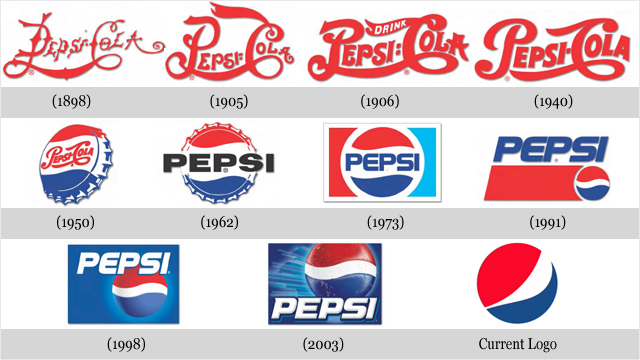
Pepsi is going more boring each year:


Ikea removing women in Saudi Arabia:



References:

http://www.investopedia.com/terms/b/brand-identity.asp

http://www.diva-portal.org/smash/get/diva2:530562/FULLTEXT01.pdf

http://www.inkredible.com.au/Rebranding/reasons-to-rebrand

http://www.retailcustomerexperience.com/articles/experts-discuss-dos-and-donts-of-rebranding/

http://skar.com/hazards-rebranding/

tiistai 10. helmikuuta 2015

Trigger 3: Visual Brand Identity


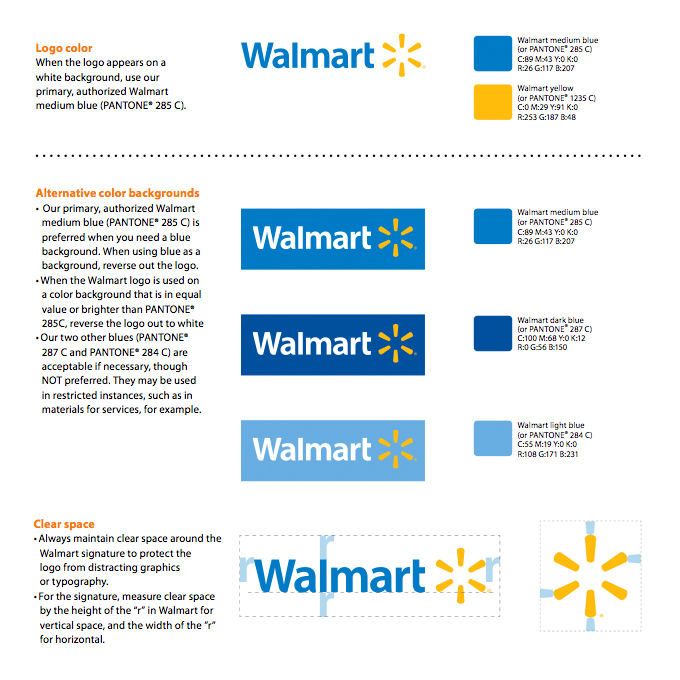
To start this subject I think it would be good to define what is corporate identity. The definition by Wikipedia states that a corporate identity is the overall image of a corporation, in the minds of public. Maintaining the corporate identity is the main task of corporate communication department. It usually shows through branding and the use of trademarks. (1)

Then off to visual identity. Again according to Wikipedia, corporate visual identity expresses the values and ambitions of an organization, its businesses, and its characteristics. It provides the company: 
(1) visibility and recognizability, 
(2) symbolizes the organization for external stakeholders, 
(3) it expresses the structure of an organization to its external stakeholders ( monolithic brands for companies with single brand, different brands for an organization, and endorsed identity with different brands which are connected.)
(4) It relates to employees' identification with the organization as a whole. (1)

Elements that create visual brand identity


Using specific colors are one of the most recognizable elements of a visual identity. A good example of using corporate color is Coca-Cola. 


Even though we do not understand all of these languages, most of us would probably think of Coca-Cola when seeing these somewhere.

Other elements of visual brand identity can be for example sound (Battery energy drink), shape (Apple products), typography, materials. These elements communicate company values and personality to stakeholders either directly or subliminally.


Creating a visual brand identity

Designing a Brand Identity by creativemarket.com


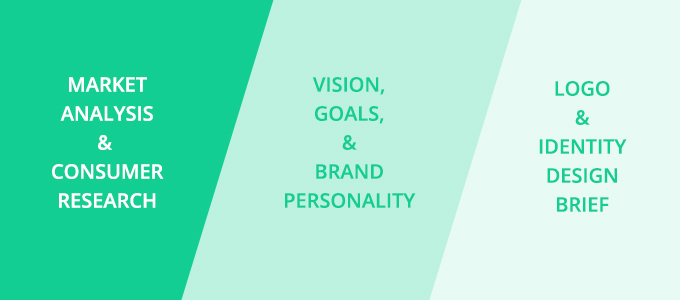
Phase 1: Research, Vision & Design Brief


Research questions: 
  • How is the brand perceived against competitors?
  • What is the brands positioning statement? (answer what, how, to whom, where and why)
  • What is the heritage of the product type and the origin of it's ingredients and fabrication process?
  • Who is the audience?
  • What are the values and beliefs of the brand about business and its mission in the world? (how would it look, act and talk if it was a person?)
  • What benefits do customers associate with the brand?

A design brief should contain the research results in brief, including target audience, messaging objectives, values and mission of the brand, and the brand's products/services offering.

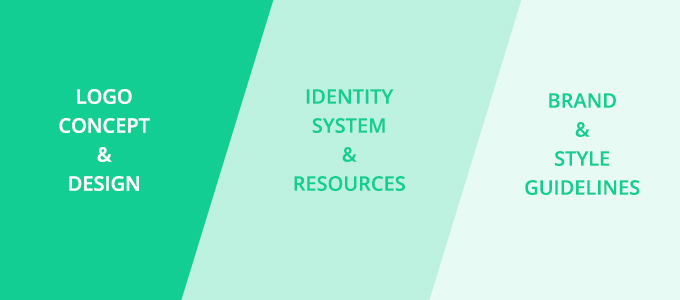
Phase 2: Logo, Identity, & Guidelines


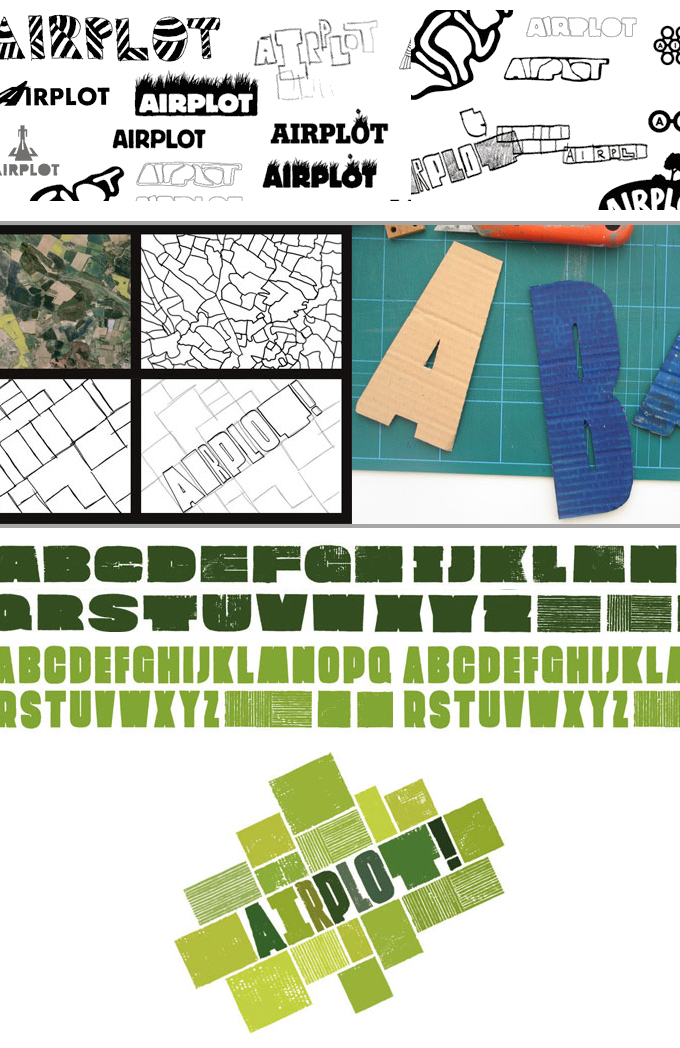
The designing of a logo starts here. First a lot of sketches are drawn and the best ones are chosen and they are redone digitally.


After the new logo is chosen, the identity system starts. Its purpose is to create a visual language around the logo, that can be used in marketing


Then the style guidelines are created, they contain the rules of using the logo and the visual language around it, so that they will send a coherent message and that the marketing and other media visibility will always look the same.


Phase 3: Monitoring & Rebranding

After the brand is created and the logo is set, it is time to monitor the markets and changes in it. By time the target audience will change and the brand has to change with them. The changes should be noticeable but the familiarity and consistency of the brand should be maintained.


10 tips for creating winning visual brand identities by justcreative.com


Challenges in creating visual brand identity

Good examples:
25 Outstanding Examples Of Branding, Visual Identity and Logo Designs:


bad examples:

Coke Color Change


In 2011, Coke withdrew a newly-branded can in the US. Focused on their $3 million pledge to the WWF to help save polar bears, the company launched a white can. Visually, it looked too similar to the Diet Coke alternative, and of course brand confusion set in, customers complained and within one month, the red can returned.


Sources:

tiistai 3. helmikuuta 2015

Trigger 2

IMC


What is integrated marketing communication?


Integrated marketing communication (IMC) is defined by businessdictionary.com as an approach to achieving objectives of marketing campaign, through well coordinated use of different promotional methods that are intended to reinforce each other. (1)

American Association of Advertising Agencies (4A) says that IMC recognizes the value of a comprehensive plan that evaluates the strategic roles of a variety of communication disciplines (advertising, PR, personal selling, and sales promotion) and combines then to provide clarity, consistency, and maximum communication impact. (1)

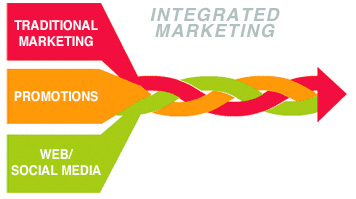
Stirstuff.com wrote in 2014 a new definition of IMC which to me is more clear than the others, they say that true IMC is the development of marketing strategies and campaigns that combine multiple marketing disciplines (paid advertising, earned media/PR, promotion, owned assets and social media) that are used across variety of media to best fit for the goals of the brand. (2)

So to clarify I would say that IMC is combining different ways of marketing to create a comprehensive marketing plans and strategies for specific brands.

(6)


How to communicate a value proposition through different channels?

According to John Doerr and Michael Schultz, consultants from rainsalestraining.com (3), to communicate your value proposition effectively one should follow a six step guide:


  1.  Target customers. Know them so you can create a message that will affect them
  2. Need/Business problem. Know the needs you are addressing and how you are helping, so that your customers know when to use you/your service
  3. Impact of solving need. What are the impacts of you solving customers needs?
  4. Your offerings. How do you solve problems and run your company and work with customers, in other terms, what is your service approach.
  5. Proof of concept.  How can you show that your approach has worked in solving other peoples problems before and how do people know that what you promise will actually happen.
  6. Distinction.  Why is your offering better than the ones that other ones offer? What differentiates you from them?

Also the 4C's of integrated marketing communication are important to remember.
As stated by Marlene Friis from mindjumpers.com (7) the 4C's are the following:
  1. Consistency. Make sure you are always sending out the same message. Don’t contradict yourself! That can make you lose credibility.
  2. Coherence. Be aware of your entire communication process through different channels. All information should be a part of your overall strategy to ensure alignment.
  3. Continuity. As well as coordinating messages to be consistent and coherent, you must also keep in mind that every channel needs to be monitored – and this should be done on a regular basis to keep up continuity.
  4. Complementary. Lastly, you need to think of how your communication effort come together, so that when the complementary synergy you create overall can exceed any effort.

How to integrate different channels to convey a coherent message? 


(5)

What are challenges in IMC? And how do you manage them? 

Seven top-rated challenges in integrated marketing by Stefan Tornquist from econsultancy (4) are the following: 


Good and bad examples of IMC


Good example of a IMC:
The Redbull stratos jump by Felix Baumgartner was a successful campaign and it combined multiple different marketing disciplines. It was highly visible in print media, social media, print media and it was covered by news stations all over the world.


Sources:

http://www.businessdictionary.com/definition/integrated-marketing-communications-IMC.html

http://www.stirstuff.com/time-to-redefine-integrated-marketing/

http://www.rainsalestraining.com/blog/value-proposition-positioning-statement-and-how-to-create-one/

https://econsultancy.com/blog/62830-seven-top-challenges-to-integrated-marketing/

http://highoctaneboost.com/blog/109/is-integrated-marketing-communication-imc-valuable-to-a-small-business/

http://www.slideshare.net/ProfessorMathur/kotler-chap-16-5what-is-an-integrated-marketing-communications-program